
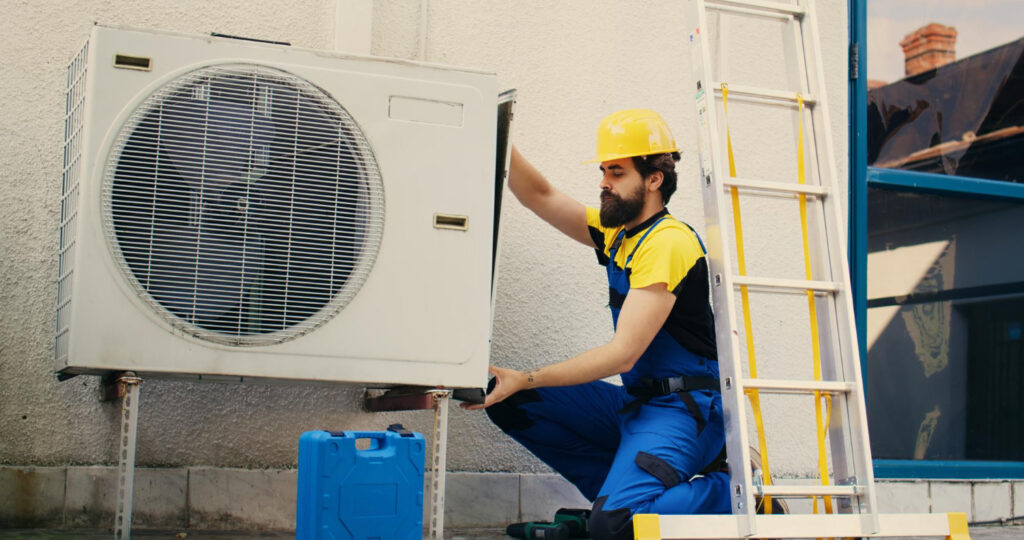
When comparing HVAC installation in Orange County quotes, it’s easy to focus on the final number. That makes sense. A new system is a major expense. But the price on the page doesn’t always explain how the equipment was selected, whether the home has airflow problems, or what the contractor will do to make sure the system performs properly after installation.
That matters more than most homeowners realize.
A heating and cooling system can be the right brand and still deliver disappointing results if it isn’t properly matched to the home. Long-term comfort depends on more than the equipment sitting outside or in a garage. It depends on what happens before, during, and immediately after installation.
A Quote Doesn’t Always Show How the System Was Chosen
Two contractors can recommend similar equipment and provide noticeably different installation experiences.
The reason is simple. The house has to be considered first.
Home size, room layout, insulation, existing ductwork, electrical requirements, and the condition of the current system can all influence what makes sense for a property. A quote that only lists a model number and installation price doesn’t tell you whether those factors were actually reviewed.
That’s where homeowners should slow down and ask questions.
Was the home evaluated before the equipment was recommended? Was the system sized for the property’s actual cooling needs? Did the contractor inspect the ductwork? Were electrical requirements considered?
These details can affect airflow, energy efficiency, temperature consistency, and equipment performance.
Our team looks at the home rather than treating every replacement as the same job. The equipment matters, but so does the environment in which that equipment has to work.
System Sizing Can Affect Comfort for Years
One of the most important details behind an HVAC quote is often something homeowners never see: how the contractor determined the required system capacity.
An HVAC load calculation helps estimate how much heating or cooling a home needs. Factors such as the home’s size, insulation, windows, orientation, and construction can affect that requirement.
Why does this matter?
A system that is too large may cycle on and off more often than it should. A system that is too small may struggle to keep up when outdoor temperatures rise.
Neither situation is ideal.
The goal is to select equipment that fits the home instead of assuming the replacement should simply match the capacity of the old unit.
This is one reason a professional air conditioning installation should begin with an evaluation of the property. The old system may have been installed years ago under completely different conditions, and copying its specifications isn’t automatically the best answer.
What a homeowner should ask
Before approving an installation, ask the contractor:
- How was the system size determined?
- Was the home evaluated before the recommendation was made?
- Does the existing ductwork support the new system?
- Are electrical upgrades required?
- What testing will be completed after installation?
You don’t need to be an HVAC technician to ask these questions. A good contractor should be able to explain the answers in plain English.
Your Ductwork Can Change the Result
Homeowners often pay close attention to the outdoor condenser and indoor equipment. Ductwork gets less attention, even though it plays a major role in moving conditioned air through the home.
If ducts are leaking, damaged, restricted, or poorly configured, installing new equipment won’t automatically fix the airflow problem.
You may still notice a bedroom that stays warmer than the rest of the house. Some rooms may receive too much air while others receive too little. The system may also have to work harder than expected.
That’s why ductwork should be part of the conversation when replacing an HVAC system.
Our installation approach considers the existing setup and the conditions of the property before the new equipment goes in. The purpose is straightforward: give the new system a fair chance to perform the way it was intended to.
Long-Term Comfort Is Measured Room by Room
A homeowner doesn’t experience HVAC performance by looking at an equipment label.
They experience it in the house.
The bedroom should be comfortable at night. The living area shouldn’t feel dramatically different from the rest of the home. The system shouldn’t seem to run endlessly just to maintain a reasonable indoor temperature.
Those everyday details are what turn a new HVAC system into a worthwhile investment.
A properly selected central air conditioning system can support consistent indoor temperatures and efficient operation, but installation quality still matters. The equipment has to work with the home’s layout, ductwork, controls, and electrical setup.
This is particularly important in Orange County, where homes can vary considerably in age, construction, and design. A solution that makes sense for one property may not be the right fit for another.
What Happens After the Installation Matters Too
A contractor’s job shouldn’t end simply because the system turns on.
The finished installation needs to be checked. The equipment should operate correctly, airflow should be evaluated, and the controls should be working as expected. Homeowners should also understand how to use the new system.
That final walkthrough is easy to overlook when comparing quotes, but it can make the transition much easier.
Our team includes post-installation testing and a homeowner walkthrough as part of the process. We want the homeowner to know what was installed and how to operate it before we leave.
That small step can prevent confusion later.
Don’t Compare HVAC Quotes by Price Alone
Price is important. It just shouldn’t be the only thing being compared.
Look at what each contractor is actually including. Check the equipment specifications. Ask about system sizing. Find out whether ductwork and electrical requirements have been considered. Ask what happens after the equipment is installed.
Then look at the company doing the work.
Green Air Engineering has been family-owned and operated since 1995. Our technicians work with major HVAC brands and handle installation as part of a broader heating and cooling service rather than treating the equipment itself as the entire job.
That history matters because homeowners aren’t only buying equipment. They’re choosing the company responsible for putting that equipment into their home.
Why a Lower Quote May Not Be the Better Value
A cheaper installation can be perfectly reasonable when the scope of work is genuinely comparable. The problem comes when two quotes look similar on the surface but aren’t actually offering the same thing.
One contractor may have evaluated the home’s cooling requirements, checked the existing setup, included necessary installation work, and planned for testing.
Another may simply provide a replacement price based on the existing equipment. Those aren’t necessarily equivalent proposals.
The difference may not be obvious until the work is finished.
That’s why we encourage homeowners to ask what is included before deciding. A few minutes spent comparing the scope of work can help prevent unpleasant surprises after installation.
Read the Fine Print, Then Ask What Isn’t Written
Before signing a proposal for HVAC installation in Orange County, read beyond the equipment model and total cost.
Ask how the contractor arrived at the recommended capacity. Ask whether ductwork was inspected. Confirm what labor and installation materials are included. Find out whether electrical work could be needed. Ask whether testing and a homeowner walkthrough are part of the process.
Then consider the contractor’s experience and approach.
At Green Air Engineering, we focus on the conditions of the individual home before recommending an installation. Our goal is to make sure the system makes sense for the property, not simply to replace an aging unit with another piece of equipment.
That’s the part of a quote you can’t always see in the price.
Conclusion
An HVAC installation quote tells you what you’re being asked to pay, but it may not tell you everything that determines how comfortable your home will be in the years ahead.
System sizing, ductwork, electrical requirements, installation quality, testing, and the contractor’s approach can all affect the final result.
For homeowners comparing HVAC installation in Orange County, the better question isn’t simply, “Which quote costs less?”
Ask what you’re actually getting for the price.
A thoughtful installation starts with understanding the home, selecting equipment that fits its needs, and making sure the completed system is working properly before the job is finished. That’s the standard we bring to every installation we handle.