
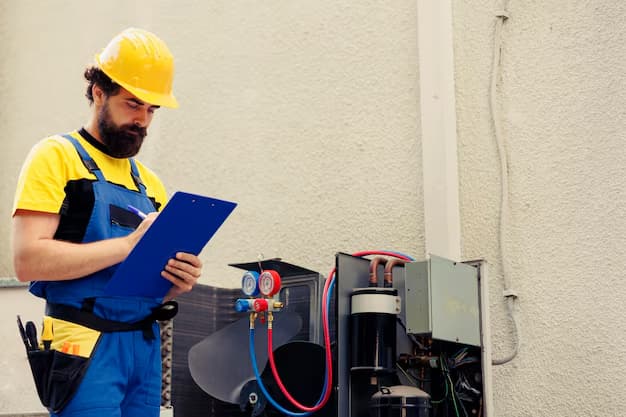
Most heating systems do not fail without warning. The problem is that many homeowners miss the early signs because they seem small at first. A strange smell near the vent, extra dust in the hallway, or a furnace that runs longer than usual can all point to deeper heating issues developing behind the scenes.
Cold weather puts extra pressure on furnaces, heat pumps, and airflow systems. When hidden problems are ignored, heating equipment often works harder than necessary, leading to higher utility bills, uneven indoor temperatures, and sudden breakdowns during the coldest nights of the year.
A professional heater repair service can identify those warning signs early and help prevent larger mechanical failures before winter fully settles in.
1. Your Furnace Starts Acting “Too Busy.”
A healthy heating system cycles on and off at a steady pace. If the furnace suddenly seems to run nonstop, something inside the system may be struggling.
Restricted airflow, clogged filters, dirty burners, or failing blower motors often force heating equipment to work longer just to maintain the same indoor temperature. Longer cycles not only increase energy costs but also place additional strain on internal components.
At Green Air Engineering, heating inspections often uncover airflow problems that homeowners never notice until comfort levels begin dropping across multiple rooms.
2. Certain Rooms Feel Like Different Seasons
One bedroom feels warm, while another feels cold enough for extra blankets. Uneven temperatures are one of the clearest signs that heating performance is declining.
Blocked vents, leaking ductwork, thermostat calibration issues, or aging furnace components commonly create inconsistent heating patterns throughout a home. In some cases, the system may still function, but efficiency drops significantly.
A trusted heater repair service can test airflow distribution and identify whether the issue comes from the furnace itself or from damaged duct connections hidden behind walls or ceilings.
3. Dust Builds Up Faster Than Normal
Many people blame dusty surfaces on daily activity, pets, or dry winter air. However, excessive indoor dust can also signal heating system trouble.
Dirty filters and damaged ductwork may circulate dust particles repeatedly through the home. Poor filtration also affects indoor air quality, especially during colder months when windows stay closed for longer periods.
At Green Air Engineering, technicians often inspect filters, vents, and return air pathways together because airflow problems rarely stay isolated to one part of the system.
4. The Pilot Light Changes Color
A healthy gas furnace pilot light usually burns blue. If the flame appears yellow or flickers constantly, it may indicate ventilation issues or incomplete combustion.
This problem should never be ignored. A yellow pilot light can sometimes point to carbon monoxide risks or burner problems that require immediate professional attention.
Scheduling a qualified heater repair service helps ensure that burners, gas connections, and ventilation systems operate safely during heavy winter use.
5. Strange Smells Last Longer Than They Should
A mild dusty smell after turning on the furnace for the first time each season is fairly common. Persistent burning odors are not.
Electrical smells, musty odors, or sharp burning scents may indicate overheating parts, wiring concerns, moisture buildup, or mold developing inside ductwork. When smells become stronger during operation, professional evaluation becomes especially important.
Heating systems contain electrical and mechanical parts working together under high temperatures. Even a small issue can gradually turn into a larger safety concern if left unresolved.
A dependable heater repair service can locate the source of unusual odors before damage spreads further through the system.
6. Your Thermostat Setting Keeps Going Higher
Many homeowners slowly adjust the thermostat upward every few days without realizing the heating system is losing efficiency.
When indoor comfort no longer matches thermostat settings, the furnace may struggle to produce or distribute heat properly. Worn ignition systems, aging heat exchangers, or airflow restrictions often reduce heating performance over time.
At Green Air Engineering, system evaluations include thermostat testing because inaccurate readings can create unnecessary heating cycles and increase monthly utility costs.
7. The Furnace Sounds Different at Night
Heating systems naturally make soft operational sounds, but loud rattling, banging, squealing, or grinding noises usually point to mechanical wear.
Loose belts, cracked blower assemblies, motor issues, or ignition problems can all create unusual sounds during operation. Homeowners often notice these noises more clearly late at night when the house becomes quieter.
Ignoring those sounds may allow small mechanical failures to become expensive repairs later. A professional heater repair service can inspect moving components early and help reduce the risk of emergency breakdowns during peak winter temperatures.
8. Your Heating System Is More Than 15 Years Old
Older heating systems can still operate reliably, but aging equipment naturally becomes less efficient over time. Internal components wear down after years of repeated heating cycles, especially when regular maintenance has been inconsistent.
An older furnace does not always require immediate replacement. However, unusual sounds, rising energy costs, poor airflow, and uneven heating become more common as systems age.
A thorough heater repair service can help determine whether repairs still make financial sense or whether replacement planning may soon become the better option.
Why Small Heating Problems Become Expensive Fast
Many heating issues begin quietly. A loose motor bearing may seem harmless at first. A clogged filter may appear minor. Over time, those smaller problems place additional stress on surrounding components.
Heating systems rely on balanced airflow, clean combustion, accurate thermostat readings, and stable electrical performance. When one area struggles, the rest of the system often compensates by working harder.
That extra strain shortens equipment lifespan and increases the likelihood of unexpected failures during freezing weather. Preventive maintenance helps catch those smaller concerns before repair costs grow significantly.
Professional inspections also improve energy efficiency, indoor comfort, and overall system reliability throughout the colder season.
Conclusion
Most furnaces provide warning signs long before complete failure happens. Uneven room temperatures, strange noises, rising energy bills, excessive dust, and unusual odors all suggest that heating performance may already be declining.
A reliable heater repair service helps uncover hidden issues early, improves indoor comfort, and protects heating equipment from avoidable long-term damage. Paying attention to those small clues before winter peaks can save homeowners from expensive emergency repairs later in the season.