
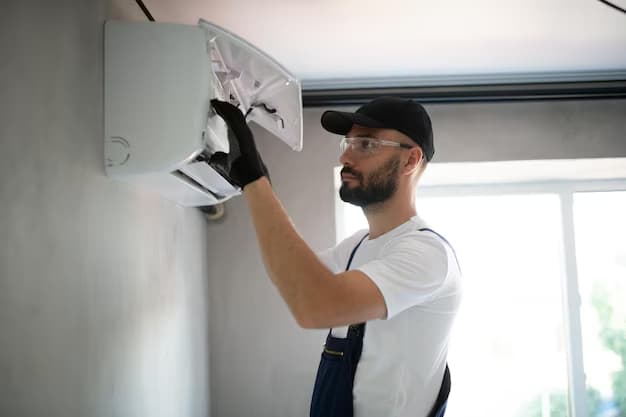
Replacing an aging air conditioner can feel straightforward until you start comparing equipment, system sizes, installation costs, and the condition of the existing setup. Before scheduling an air conditioning Install, Laguna Hills homeowners should first decide what they actually want the replacement to accomplish.
Is the goal better cooling, fewer repairs, lower operating costs, more even temperatures, or simply a dependable system before the next hot spell? The answer can change which equipment and installation approach make sense for the home.
Start With the Problem You’re Trying to Solve
An old AC doesn’t always need to be replaced for the same reason.
Maybe you’ve been calling for repairs more often. Perhaps the system takes too long to cool the house, or one part of the home stays noticeably warmer than another. You may also have noticed unusual noises, weak airflow, or utility bills that keep climbing despite similar usage.
Those details are worth discussing before choosing new equipment.
A replacement should address the weaknesses of the existing system where possible. If poor airflow has been an ongoing problem, for example, replacing the outdoor unit alone may not resolve it. If the equipment is simply worn out but the rest of the system is in good shape, the decision may look very different.
Our first step is understanding what’s happening inside the home rather than assuming the answer starts with a particular AC model.
Decide What Better Comfort Means for Your Home
“More cooling” isn’t always the real objective.
For some homeowners, comfort means getting the upstairs bedrooms closer to the thermostat setting. For others, it means reducing long cooling cycles or avoiding the constant temperature swings that happen when an older system struggles during warmer afternoons.
Before the replacement, make a short list of the complaints you’ve had with the current system. This can include:
- Rooms that stay warmer than the rest of the house
- Weak airflow from certain vents
- Frequent repairs or unexpected shutdowns
- Excessive operating noise
- Cooling that takes too long
- Increasing energy consumption
That list gives a contractor something useful to work from. It also gives you a practical way to judge whether the proposed replacement is solving the problems you actually care about.
Look at the Whole Cooling System
The equipment is only one part of the home’s HVAC system.
Home size, insulation, room configuration, existing ductwork, electrical capacity, thermostat placement, and the construction of the property can all influence how a replacement performs. We consider these factors when determining the appropriate system for a home rather than relying only on the capacity of the old equipment.
That distinction matters.
Suppose the existing AC has always had trouble pushing enough air into a particular room. Installing newer equipment without examining the airflow problem may leave you with a new system and the same complaint.
The better question is, “What does this house need?”
Make Sure the System Is Properly Sized
One of the most important decisions during an AC replacement is choosing the correct capacity.
It can be tempting to assume that a larger unit will cool the home faster and therefore provide better comfort. That’s not necessarily how residential cooling works. Equipment that’s too large may reach the thermostat setting quickly and shut off before completing a proper cooling cycle. A system that’s too small can struggle to keep up on hotter days.
The right size depends on the home and its cooling requirements.
That’s why replacing an older unit with another system of exactly the same capacity isn’t always the best approach. Changes to insulation, windows, room use, ductwork, or other parts of the home may affect the current cooling load.
A proper evaluation gives homeowners a better basis for the decision than simply reading the capacity from an old equipment label.
Ask About the Electrical Requirements
Your new cooling equipment also needs to work with the home’s electrical system.
Before installation, ask whether the existing panel, breakers, wiring, and disconnect are suitable for the proposed equipment. If an electrical adjustment is needed, it’s better to know before the project begins.
This is particularly useful when replacing an older system with newer equipment that has different electrical requirements.
We consider circuit breakers and panels as part of the system selection process.
A clear discussion about electrical requirements also helps prevent an unpleasant surprise when the installation is already underway.
Have the Ductwork Evaluated
The condition of the ductwork deserves the same attention as the equipment itself.
Leaks, damaged sections, poor connections, restrictions, or inadequate airflow can affect how effectively cooled air reaches the rooms. If you’ve spent years adjusting vents or closing doors because some areas never feel comfortable, mention that before the replacement is approved.
We include ductwork repair among our HVAC services and recognize the effect that damaged or leaking ducts can have on airflow and system performance.
This doesn’t mean every older duct system needs to be replaced. It means the condition should be considered before you assume the new AC will solve every comfort issue.
That’s an important distinction.
Compare the Complete Replacement, Not Just the Equipment Price
Two AC replacement estimates can look similar at first and turn out to cover very different work.
Look at what’s included in each proposal. Equipment is only part of the cost. You should understand the installation scope, required electrical work, ductwork adjustments if applicable, warranty coverage, testing, and any other charges before approving the project.
A low initial price can look attractive, but it isn’t particularly helpful if important work is excluded and appears later as an additional charge.
At Green Air Engineering, we provide upfront pricing so homeowners can understand the expected work before moving forward. The company is family-owned and operated and has served Orange County since 1995. Our technicians work with major HVAC brands, including Carrier, York, Trane, and Lennox.
That local history is useful when you’re making a replacement decision that you’ll live with long after the installation crew leaves.
Know What Happens on Installation Day
Once you’ve selected the system, ask what the actual installation process will involve.
The old equipment needs to be removed properly, the replacement needs to be connected correctly, and the finished system should be tested before the job is considered complete. You should also know how the thermostat and controls work before the technician leaves.
Green Air Engineering’s Laguna Hills service process includes an in-home evaluation, system recommendation, installation, performance testing, and a walkthrough of the new equipment and controls.
That final step can be easy to overlook. Don’t.
A new thermostat may operate differently from your old one, and understanding the settings from day one can make the transition much easier.
Why Laguna Hills Experience Matters
Every house has its own quirks. One property may have an easy-to-access system and straightforward duct layout. Another may have older ductwork, limited electrical capacity, or rooms that have always been difficult to cool.
Local experience doesn’t eliminate those differences. It helps a contractor know what questions to ask.
Green Air Engineering is based in Laguna Hills and serves homeowners throughout Orange County.
We also believe homeowners deserve to understand why a replacement is being recommended. If repair is still a reasonable option, that should be part of the conversation. If replacement is the better choice, you should know what condition the current system is in, what the new equipment is expected to improve, and what the installation will involve.
That approach is particularly valuable when a homeowner is dealing with an AC that has worked “well enough” for years but is becoming increasingly difficult to rely on.
Questions to Answer Before You Approve the Work
Before moving forward with an air conditioning install, make sure you have clear answers to these questions:
- What is causing the current system’s problems?
- What equipment size is appropriate for the home?
- Has the existing ductwork been checked?
- Does the electrical system support the replacement?
- Which comfort problems should the new system address?
- What work is included in the quoted price?
- How will the system be tested after installation?
If you don’t have clear answers, there’s no reason to rush the decision. The best replacement projects are planned before the equipment arrives.
Conclusion
An older AC gives Laguna Hills homeowners a useful opportunity to rethink how the home’s cooling system is performing. Before choosing replacement equipment, look at the problems you’ve experienced, the home’s current cooling needs, the airflow, ductwork, electrical setup, and the complete installation scope.
A new system should fit the house and address the reasons you’re replacing the old one in the first place. With a careful evaluation and a clear plan, installation day becomes less about making last-minute decisions and more about putting the right equipment in place with the work already understood.